The Hidden Math in Pokémon Cards (Homeschool Math Through Games)
This post may contain affiliate links. That means I may earn a small commission if you purchase through them, at no extra cost to you.
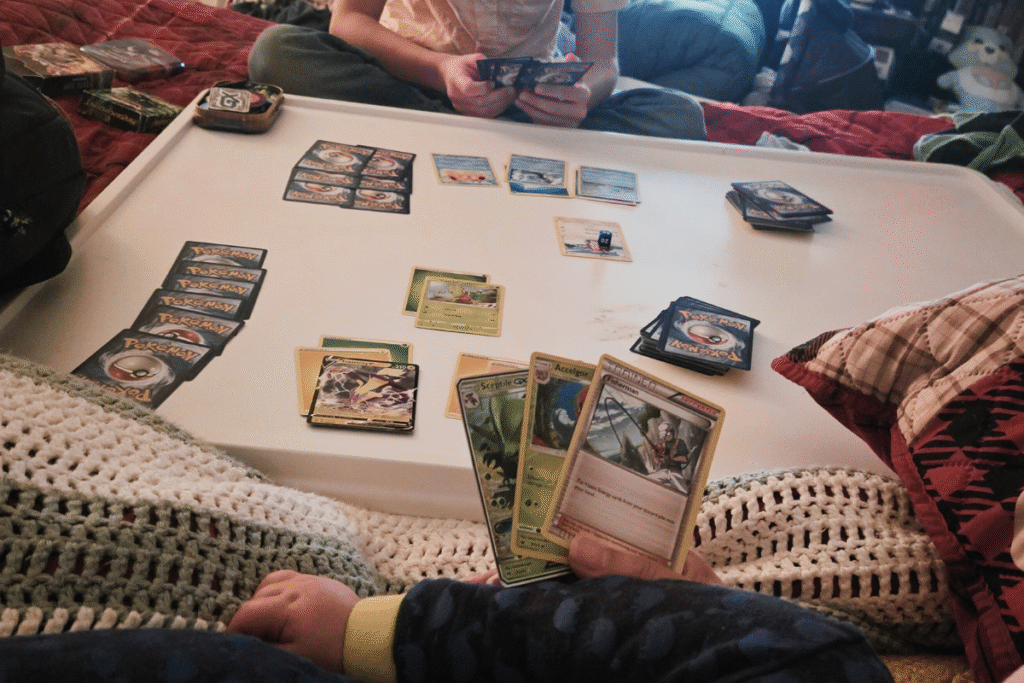
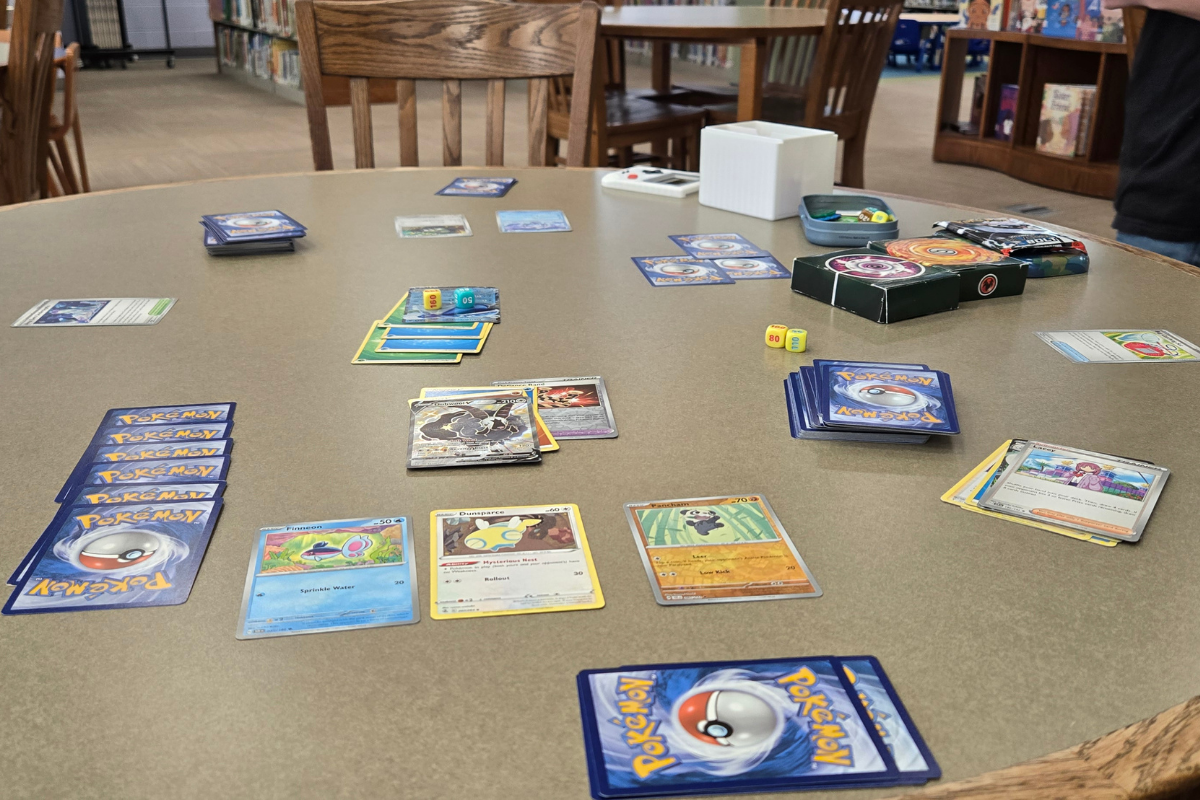
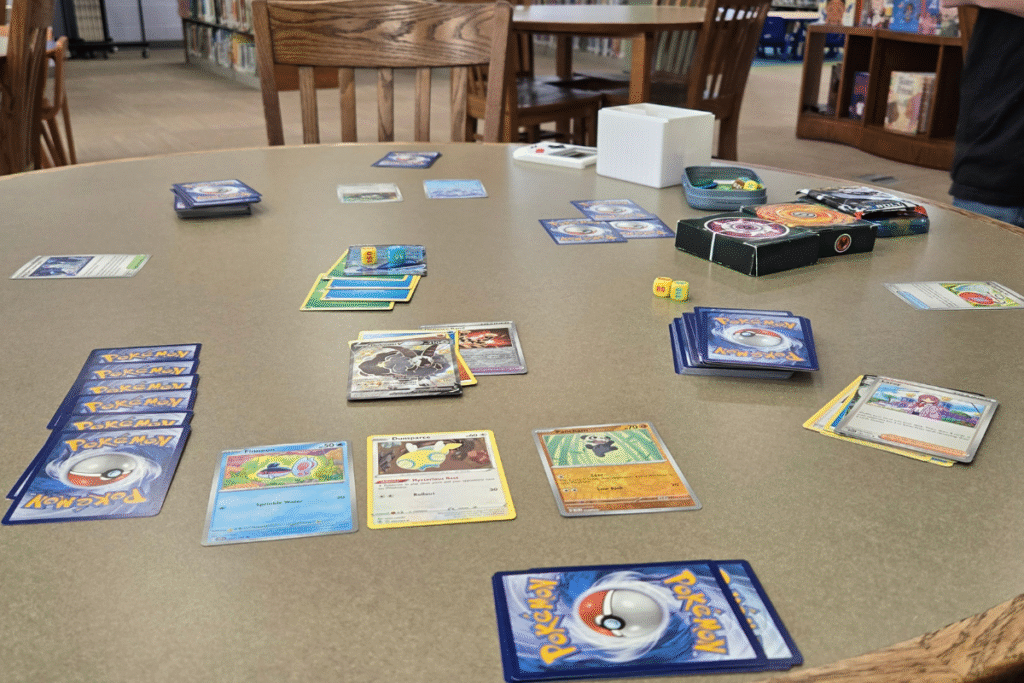
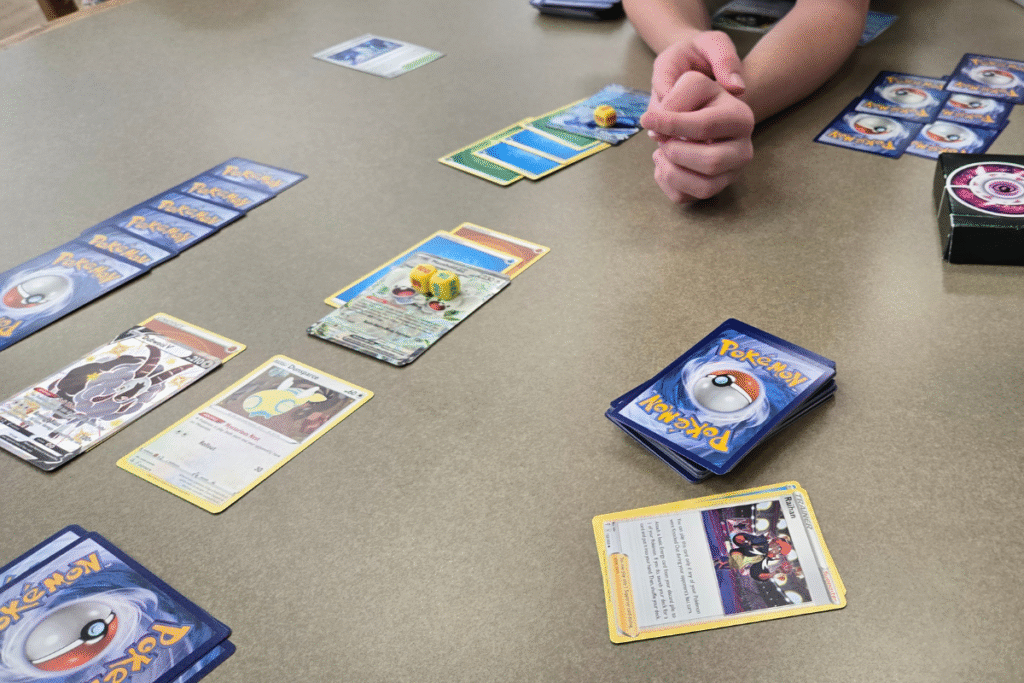
If you walked into my dining room during homeschool hours last week, you might have wondered if school had been replaced by a Pokémon tournament.
My 10-year-old sat across the table from his sister, studying the cards in his hand like a chess master planning his next move.
“If I attach this energy now,” he said slowly, “then next turn I can do 120 damage… and knock out your Pokémon.”
And honestly?
I didn’t stop him.
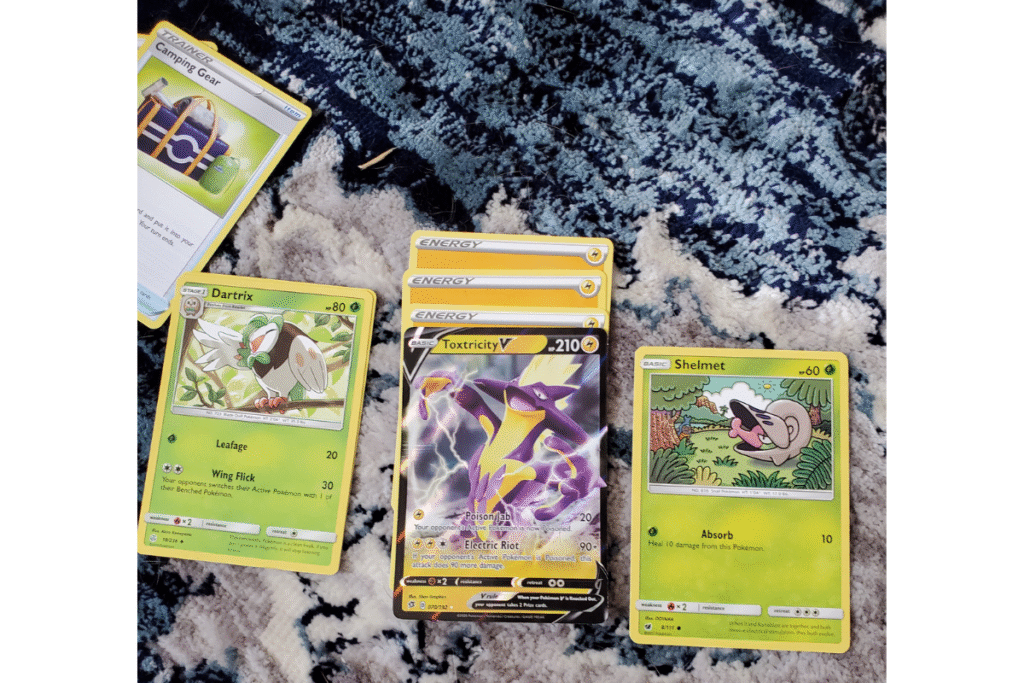
Because what most people don’t realize is that Pokémon card battles are packed with math.
And the kind of math kids actually want to do. This is homeschool math through games.
When Learning Doesn’t Look Like Worksheets
One of the things homeschooling has taught me is that learning doesn’t always look the way we expect it to.
Sometimes it looks like:
- math worksheets
- flashcards
- practice problems
But sometimes learning looks like kids gathered around the table, passionately debating whether they have enough energy cards to defeat a Charizard.
And in our house, that counts too.
Because games like Pokémon and Lorcana are full of real-life math skills.
The Math Hidden in Pokémon Battles
At first glance, Pokémon just looks like a card game.
But when kids actually play, they’re constantly using math without even realizing it.
Mental Math
Players are always calculating damage and planning future turns.
For example, a card might say:
“This attack does 60 damage plus 20 more for each energy attached.”
A child has to quickly figure out the total damage before deciding whether to attack.
That’s real mental math happening in real time.
Addition and Subtraction
Damage counters are constantly being added and removed.
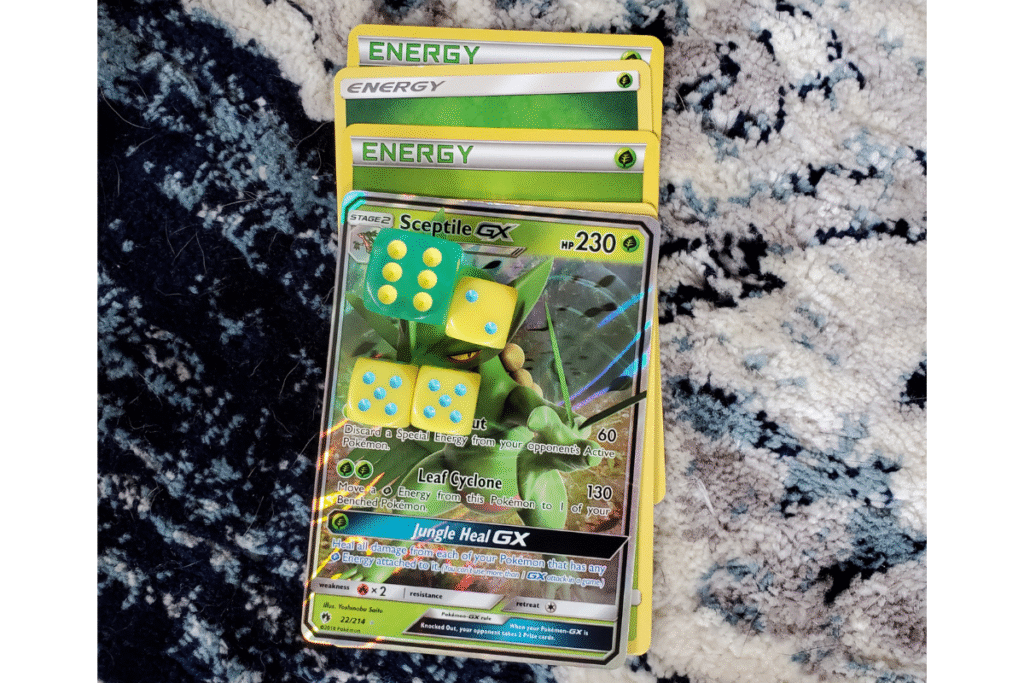
If a Pokémon has 130 HP and takes 60 damage, kids have to calculate how much health is left.
Then another attack lands for 40 more damage.
How much is left now?
That’s subtraction practice happening naturally during gameplay.
Multiplication
Some attacks multiply damage based on conditions.
You might see something like:
“30× the number of energy cards attached.”
If there are four energy cards attached, kids quickly calculate:
30 × 4 = 120 damage.
And they’re doing it because they want to win the battle, not because someone handed them a worksheet.
Strategic Thinking
Beyond the math itself, card games require kids to think ahead.
Players constantly ask questions like:
- Should I attach energy now or save it for later?
- Should I retreat this Pokémon?
- Can I knock out my opponent in two turns?
That kind of planning builds logic and problem-solving skills.
Reading Comprehension
Every Pokémon card has instructions, abilities, and conditions.
Kids have to carefully read the text to understand what the card actually does.
For reluctant readers, games can be one of the most natural ways to practice reading comprehension.
When Kids Don’t Realize They’re Learning
One of my favorite things about homeschooling is watching learning happen in unexpected ways.
My son doesn’t think he’s doing math when he plays Pokémon.
He thinks he’s battling.
But while he’s figuring out damage totals and planning strategies, he’s practicing:
- mental math
- multiplication
- subtraction
- logic
- reading comprehension
And he’s having fun while doing it.
Games That Sneak Learning into Our Homeschool
Pokémon isn’t the only game that quietly builds skills.
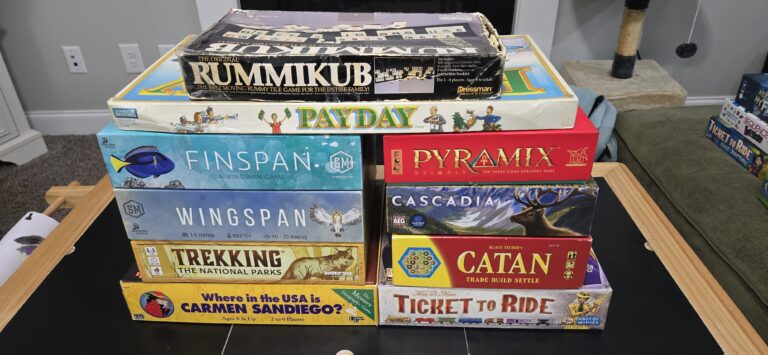
Our homeschool shelves are full of games that teach without feeling like school.
Some family favorites include:
- Pokémon Trading Card Game
- Disney Lorcana
- Ticket to Ride
- Catan
- Cascadia
- Wingspan
- Sequence Kids
These games strengthen everything from math and geography to strategy and critical thinking.
And sometimes they lead to the best kind of homeschool days — the ones where learning feels like play. I wrote more about that here.
If Your Kids Love Pokémon
If you have Pokémon fans at home, here are a few ways to lean into the learning:
- Ask your child to explain their strategy
- Let them calculate damage out loud
- Have them teach you the game
- Build decks together and talk through the math involved
- Get pre-made decks and play together, talking through the math together
You might be surprised how much learning is happening around the table.
The Beauty of Learning Through Play
Homeschooling doesn’t have to look perfect.
Some days are full of books and lessons.
Other days look like card battles, board games, and kids sprawled across the floor arguing about whether an attack does 90 damage or 120.
But learning is still happening.
Sometimes in the most unexpected places.
Even in a stack of Pokémon cards.